
1. Scandium: - US $270 per gram.
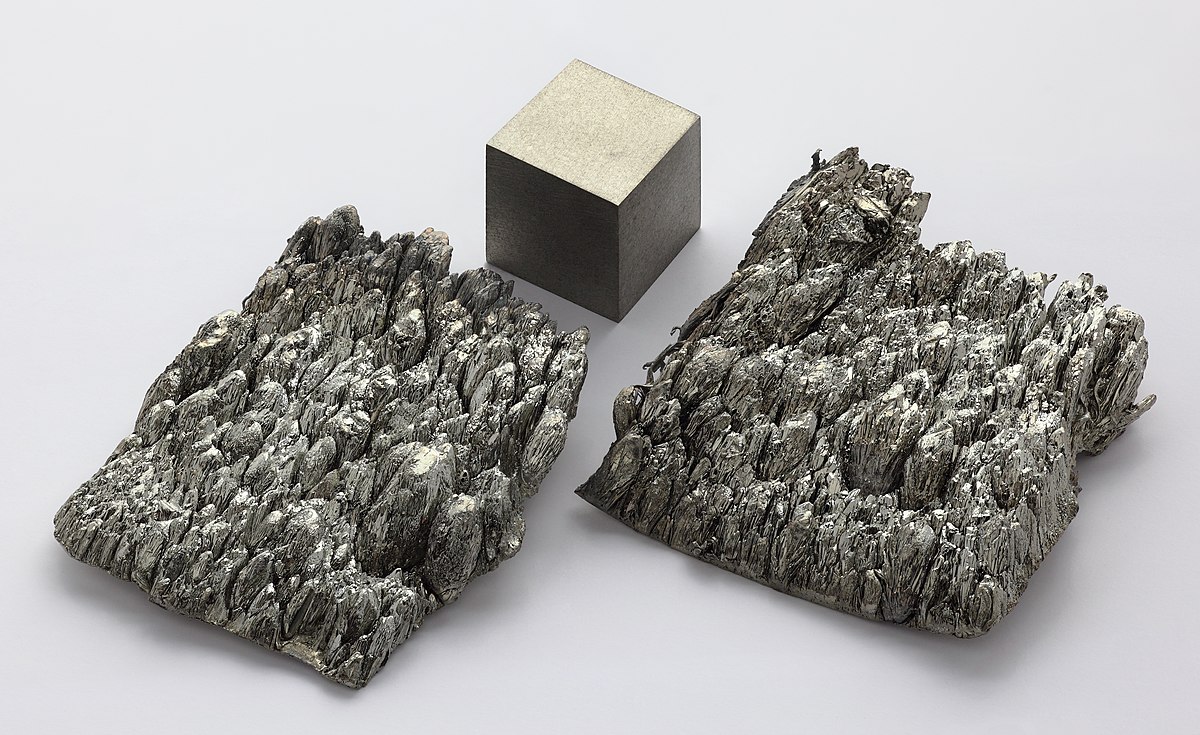
Scandium is a chemical element with the symbol Sc and atomic
number 21. It is a silvery-white metallic element. Scandium is discovered in
1879 by spectral analysis of the minerals euxenite and gadolinite by Lars
Frederik Nilson in Scandinavia. Scandium is mainly used for research purposes.
The isotope scandium-46 is highly radioactive and is used as a tracer in oil
refining to monitor the moment of various fractions. It also used to detect
underground pipe leakage. An alloy of
aluminum-scandium has been used in Russian MIG fighter planes, high-end
bicycle frames and baseball bats. The price of scandium varies with its purity.
99.9 percent purity scandium fluoride is about the US $277 per gram 99.999 percent purity scandium iodide is about the US $183 per gram.
2. Plutonium: - US $ 4000 – 6000 per gram.

Plutonium is a highly radioactive chemical element with the symbol Pu and atomic number 94. Plutonium was first discovered and isolated on December 14, 1940, by scientists Glenn Seaborg, Edwin McMillan, Joseph Kennedy, and Arthur Wahl. Because of highly radioactive it is extremely dangerous to handle. The price of plutonium changes according to its atomic structure and chemical properties. Pu-239 and Pu-241 cost around the US$ 5500 while Pu-240 has different price tags the US $4000 to the US $ 6000.
3. Taaffeite: - US $ 20,000 per gram or US $ 2000 - 4000 per carat.

Taaffeite is a mineral especially known as gemstone, named
after its discoverer Richard Taaffe. Taaffeite is the only gemstone to have
been initially identified from a faceted stone. There are less than a dozen of
Taaffeite stones are known to exist and hence Because of its rarity, taaffeite is
used only as a gemstone. This precious stone is available in violet, pink, red,
purple, or white color. Taaffeite is the first mineral mainly made up of
magnesium, beryllium, and aluminum. It is the first known gemstone that has
beryllium and magnesium as essential components. The major source for these
gems is in Southern Tanzania and Sri Lanka.
4. Tritium: - US $ 30,000 per gram.
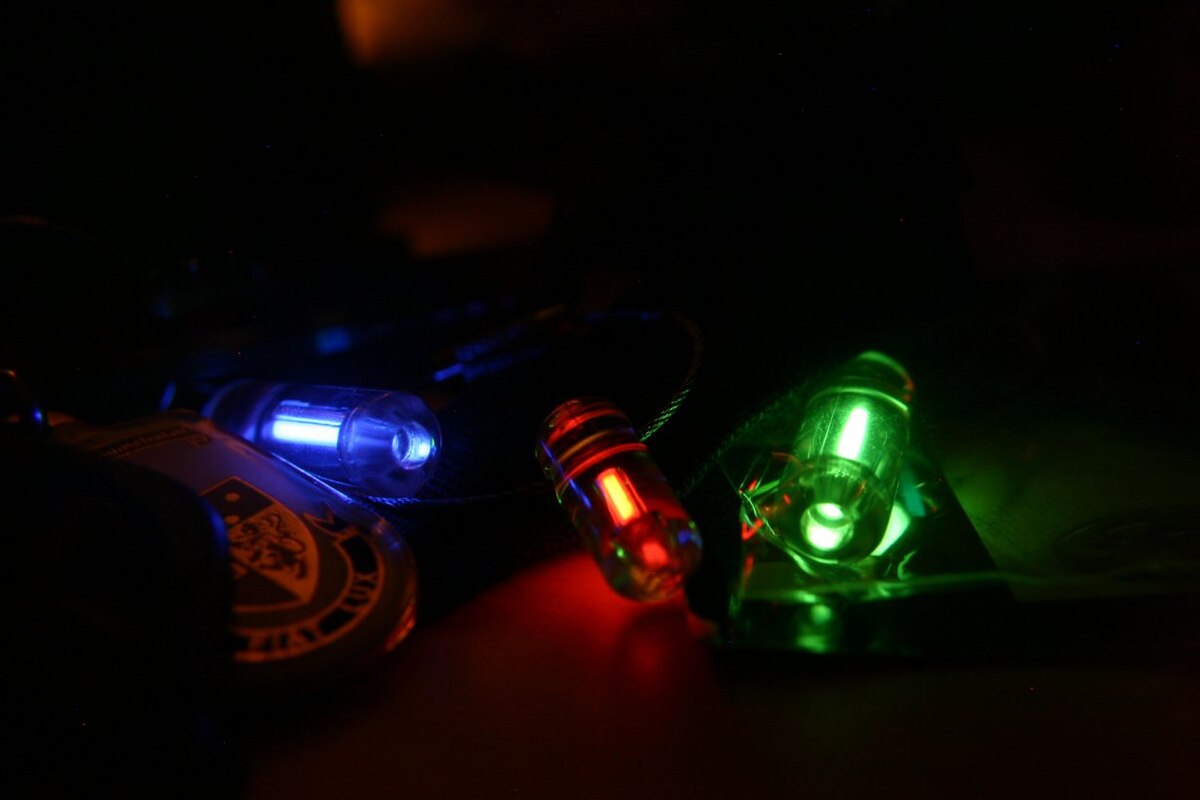
Tritium or hydrogen-3 is a rare and radioactive isotope of
hydrogen with the symbol T or 3H (3 is the mass number of Tritium). It glows in the dark. Tritium was first discovered in 1934
by Ernest Rutherford, Mark Oliphant, and Paul Harteck after bombarding
deuterium with deuterons. Naturally occurring tritium is extremely rare on
Earth formed by the interaction of atmospheric gases with cosmic rays. In
watches and instruments, Tritium is used as a radioactive tracer, in radioluminescent light sources. Along with deuterium, Tritium is used as a fuel for
controlled nuclear fusion reactions with applications in energy generation and
weapons. Tritium allows phosphorus to glow, hence this radioluminescence is
used for making self-powered lighting devices called beta-lights, which are
used for night illumination of firearm sights, watches, exit signs, map lights, and other devices.
5. Californium: - US $ 25 – 27 million per gram.

With Californium now we are dealing with a million dollars. It is a radioactive chemical element with the symbol Cf and atomic number 98. Only a few grams of this element has been produced so far. The element first synthesized in 1950 at the University of California Radiation Laboratory by the physics researchers Stanley G. Thompson, Kenneth Street, Jr., Albert Ghiorso, and Glenn T. Seaborg. Californium was produced by bombarding curium with alpha particles. There are twenty radioisotopes of californium have been recognized. The main application of Californium-252 as a strong neutron emitter and each microgram of fresh californium capable of producing 139 million neutrons per minute. Neutrons from californium are used in the treatment of certain cervical and brain cancers. The use of this element is as a portable source of neutrons in metal detectors for identifying gold and silver ores and also to identify water and oil layers in oil wells. only half grams of this element is produced each year, hence no wonder it's worth so much money.
6. Francium: - About US $ 1 billion per gram.

Francium is an extremely radioactive chemical element with the symbol Fr and having atomic number 87. The element was discovered by Marguerite Perey in France (from which the element takes its name) in 1939. Bulk francium has never been observed because of its half-life which is of only 22 minutes, and it is also a reason why this element is so expensive. Francium is one of the most unstable and extremely rare of the naturally occurring elements. Due to its high instability and rarity, there are no commercial and practical applications of francium. For now, it is only used in research purposes in the field of chemistry. Maybe in the future, we are able to use this element for various applications.
7. Antimatter: - Between the US $ 62 trillion to the US $ 80 trillion per gram (Estimated by NASA).

Antimatter is a matter composed of antiparticle having the
same mass of the corresponding particle of ordinary matter but with opposite electric
charges. Making of some milligram of antimatter would require a huge amount of
energy, approximately billions of kilowatt-hours of energy. Very few numbers of
antiparticles are produced daily on particle accelerators. The total production
so far has been only a few Nano-grams. The collision between Antiparticle and
its ordinary partner particle leads to their mutual annihilation, giving rise
to a massive amount of energy. This energy and isolated and stored antiparticle
could be used as a fuel for interplanetary or interstellar travel. In medical
imaging, Matter–antimatter reactions have practical applications, such as
positron emission tomography (PET). It is very difficult to produce antimatter
in large enough quantities, and there is no practical evidence that it will
ever be feasible.
Above mentioned elements are not the top 7 expensive elements in a row. There are some other elements also which are expensive such as diamond, platinum, etc. but those are not rare. The above-collected list is of expensive and rare elements.
What is your favorite element, feel free to comment below. If you want to read this type of content, make sure that you visit our blog often, and do not forget to share it on social media. Thank you for reading.


0 Comments